Blood Cleanup
Carpet, solid floors, walls and furnishings receive blood cleanup that includes safe disposal.
See blood cleanupGet blood and potentially infectious material cleaned from a home, rental, vehicle or workplace in Columbus. The work can include containment, porous material removal, disinfection and controlled waste packaging.
Bloodborne pathogen cleanup is the controlled removal and disinfection of blood and certain body fluids that may contain disease-causing microorganisms.
Visible staining does not always show the complete affected area because blood may travel below a surface. Bloodborne pathogens include hepatitis B, HIV and hepatitis C. Contaminated blood can cause exposure through broken skin, contact with the mouth, nose or eyes, or another sharp object or needlestick that penetrates the body. For this reason, what is visible from the doorway does not define the whole cleanup area.
Biohazard remediation begins by dividing the work zone from clean portions of the property. The task determines which protective gear and personal protective equipment are selected. Absorbent materials that cannot receive full disinfection are removed. Technicians then clear soil from hard surfaces, use an EPA-registered disinfectant and observe the contact time on its label. Finally, contaminated waste is placed in packaging for disposal under the rules for that location.
Calls are answered day and night, and crews arrive in unmarked vehicles. Your description can remain private while steps are taken to reduce notice near the residence, business or rental property.
You can ask which surfaces can be disinfected, which materials may need removal and what changes the cost before cleanup begins.
Personal items are assessed by material and level of contact. If cleanup is not possible, conditions permitting, you may talk through the choice before the belonging leaves the property.
Photos, cleanup notes and waste records about the affected area can support insurance, ownership or workplace management conversations as you move forward after decontamination.
When potentially infectious hazardous materials or blood cover more than a small, contained area of hard surface, the situation can call for bloodborne pathogen cleaning services. Needs vary from one event to another, and this cleaning service is used in several common situations:
A workplace injury may create an exposed area inside a store, office, warehouse or job site. Keep access limited following emergency response until workers remove blood and contaminated materials, then disinfect solid surfaces.
Dried blood can be discovered after a move-out or event by a tenant, landlord or property manager. Access should be limited so contamination is not tracked into surrounding areas while the affected rooms, surfaces and disposal needs are assessed.
Blood from an accident may reach multiple rooms or materials. Foot traffic can carry contamination farther, so people should avoid walking through the area or moving affected items.
Blood from a cut, fall or medical incident may reach walls, floors, furnishings and belongings close by. Any joints and openings reached by liquid need attention as cleanup traces where the spill went.
Keep away from the spill and limit its spread as your first actions. If the event involves law enforcement, wait for officials to release the space before you go inside. The steps below protect you and keep the work area clear for assessment:
Call (888) 440-9227Bloodborne pathogen cleanup has no price of its own in published guides. The nearest comparison is blood cleanup, listed at $500 to $2,500 for minor work, near $300 for the smallest jobs and up to $4,000 for larger ones. Treat those as reference points only. The affected materials and waste needs set what you pay.
Published national cost guides are the source for these ranges, rather than an inspection of your property. The price for your property is set after the on-site assessment, and you hear it before work starts.
Ask about cost: (888) 440-9227Payment is determined by where the event occurred, who owns and controls the property, and the terms governing the relevant lease, workplace plan or insurance policy. Each insurance company decides whether the individual policy covers the work.
Notify the person managing workplace exposure procedures when the event occurs on the job. The employer, property manager and insurer can determine authorization, documentation and payment under the applicable arrangements.
A renters or homeowners policy might cover cleaning when it results from a sudden event included in the policy. When reporting the event, ask the insurance company directly about biohazard cleanup, then retain the claim identifier and required documents.
Organized records come first for insurance assistance. Confirm the adjuster's requirements for photographs, lists of belongings, scope records and disposal paperwork. Save all communication about the claim and, when waiting poses no risk, retain covered belongings until the insurer gives directions.
Responsibility in a rental can depend on the cause, the lease and local requirements. The landlord and tenant need to record the affected area and talk through cleaning before moving contaminated materials.
The bloodborne pathogen cleanup process moves from exposure control to removal, cleaning, disinfection and verification. Cleanup involves a clear order, and every step changes with the spill, the materials it reached and the hazardous waste that must leave the property.
Workers check which rooms and materials are affected, where contamination may have traveled and whether sharps are present. Visible conditions are recorded, with an explanation of items that could be cleaned or removed.
Physical barriers divide clean areas from the work zone. The setup includes restricted access, appropriate protective equipment and a defined path used to carry supplies and waste.
Removal may be necessary for drywall, upholstery fill, insulation, unsealed wood or carpet pad after blood absorbs below a treatable surface. Workers package taken-out materials before they leave the controlled area.
Workers first clear away soil that can be seen on hard, non-absorbent materials. Disinfectant needs direct surface contact, which is why cleaning away organic material must come first.
Cleanable surfaces are treated with an EPA-registered disinfectant suited to the target organisms. Wetness is maintained for all of the contact time stated in the disinfectant directions.
Workers sort disposable waste, absorbent contents and sharp objects into the containers required for each type. Once packaged, the waste is moved and treated according to relevant medical waste requirements.
Technicians inspect the work zone, check edges and hidden transitions, and document the completed scope. The record distinguishes unfinished property repairs from completed biohazard cleaning.
Completion of decontamination allows repairs to replace any flooring, drywall, baseboard or finish that was removed. Because restoration services are separate from cleaning, you may arrange repairs with a contractor or whoever manages the building.

Call at any time. A bloodborne pathogen cleanup specialist answers, explains the steps and agrees a start time with you.
Serious health risks can result if infectious material in blood enters a cut, contacts a mucous membrane or causes a puncture. This remains true after a stain appears dry.
A sharp fragment or needle may pierce your skin, allowing direct exposure. Sharp objects require rigid puncture-resistant containment instead of soft bags used for household waste.
Your loved ones and you may feel upset after a medical event or injury. You do not have to inspect stains closely or sort contaminated belongings while dealing with the immediate needs of the people involved.
Hepatitis B and HIV join hepatitis C among the viruses carried in blood. The CDC reports a surface survival period of at least seven days for hepatitis B, making it important to treat even dried blood as a possible infection hazard.
Can you clean it yourself? Managing a few recent drops on a sealed, smooth home surface may be reasonable when you can stay protected and obey all instructions on the disinfectant. Call for help when blood reaches carpet, upholstery, unfinished wood, drywall or a ventilation opening, when sharps are present, or when you cannot identify the spill boundary.
Part of a day may be enough for a surface spill that stays contained. Blood reaching porous materials or more than one room can extend cleanup to one or more workdays, followed by a separate period for repairs.
| Scene | Typical time on site |
|---|---|
| Minor spill confined to hard surfaces you can reach | Often completed within one workday |
| A single room requiring some absorbent material removal | Often one to two workdays |
| Multiple areas or materials affected below the surface | Could require multiple workdays before separate repairs begin |
Odor treatment starts at its source, with contaminated material identified and removed. Blood remaining within carpet padding, wall cavities, unfinished wood or furniture filling is not corrected by fragrance or a surface spray. Those hidden materials have to be uncovered and assessed, then either cleaned at the origin or removed.
To keep dust and particles released by material removal from entering clean rooms, air movement is carefully managed. HEPA-filtered equipment may be part of the work. Nearby vents also receive attention if contamination may have reached them. The space is inspected after cleaning and source removal, before regular use begins again.
OSHA standard 29 CFR 1910.1030 establishes employer requirements covering training, protective equipment, exposure control planning and additional protections for workers with possible occupational blood contact.
Bloodborne pathogen treatment calls for a disinfectant registered by the EPA for its planned use. Wetness must be maintained for all of the labeled contact time.
Wisconsin calls it infectious waste, and items saturated with human blood or body fluids are treated as infectious. The Department of Natural Resources rules control storage, transport and treatment, so it cannot go in household trash.
Wisconsin has no state medical examiner or coroner. Each county runs death investigations through either an elected coroner or an appointed medical examiner or coroner, and some counties share one. Cleanup starts after police or the medical examiner or coroner release the scene.
The full bloodborne pathogen cleanup guide covers what is cleaned or removed, odor and air quality work, and the rules that apply in Columbia County.
Read the full bloodborne pathogen cleanup guide
Local housing, population and access details can shape containment, access and cleanup planning.
The 36.6% rental share makes it important to identify the decision maker before porous building materials are removed.
Because the median home dates to 1961, cleanup plans should distinguish washable surfaces from absorbent carpet, padding, and wallboard.
The 354 seniors living alone may need support from relatives or trusted contacts when a cleanup decision follows a medical emergency.
A 68.2% single-family share makes property type an early question when setting containment and equipment routes.
You can ask about cleanup in nearby communities and ZIP codes during the call.
Carpet, solid floors, walls and furnishings receive blood cleanup that includes safe disposal.
See blood cleanup
Large or small, every fresh or dried blood spill is covered by blood spill cleanup.
See blood spill cleanup
Across care settings, commercial spaces and homes, bodily fluid cleanup includes disinfection.
See bodily fluid cleanup
Complete decontamination treats the room, its surfaces and the air after a hazardous or infectious exposure.
See biohazard decontamination
Pickup and disposal of biohazard waste use containers that are sealed and labeled.
See biohazard waste disposal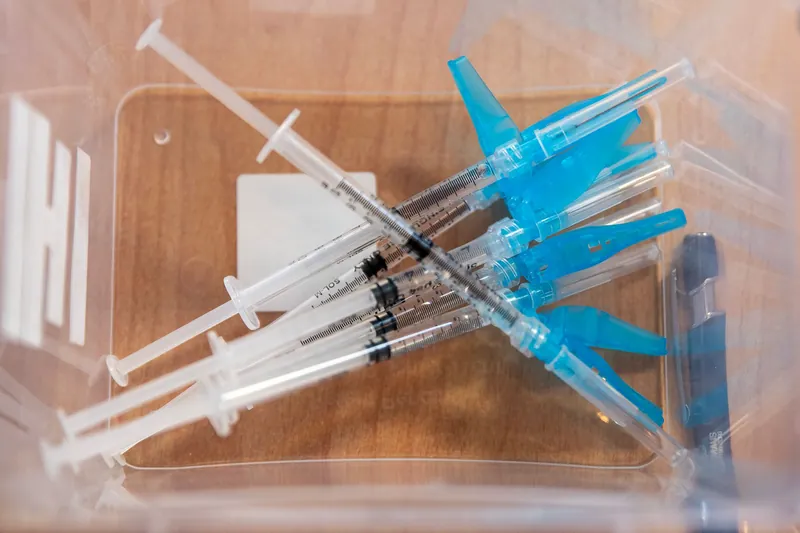
Cleanup removes sharps and needles from parks, rental sites, yards and encampments.
See needle and sharps cleanup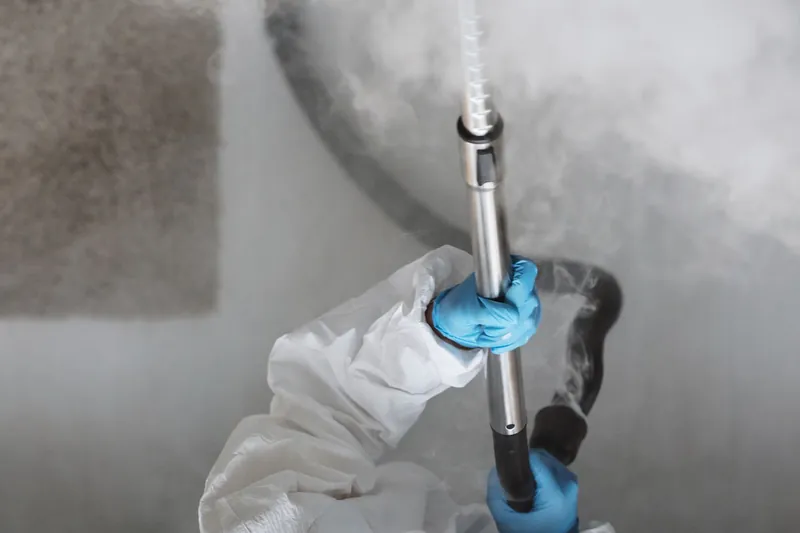
All surfaces receive full coverage with EPA-registered products for infectious disease disinfection.
See infectious disease disinfection
After exposure or injury, workplace biohazard cleanup covers offices and other work sites.
See office and workplace biohazard cleanupThe material is checked to see whether every contaminated layer can be reached and disinfected. Carpet padding, upholstery filling and other absorbent components often require removal when blood has soaked inside. Each belonging receives its own assessment, and when circumstances permit, you can discuss whether it can be saved before disposal.
Dried blood should still be treated as potentially infectious. Hepatitis B may persist at least seven days on a surface, according to the CDC. Avoid feeling a stain for dryness, and never sweep or vacuum matter that might carry contamination through the air into surrounding spaces.
Your event and specific insurance terms affect possible coverage. Biohazard cleanup connected with a sudden covered loss may qualify under some home or rental insurance policies. When reporting the incident, discuss biohazard cleanup or blood cleanup specifically, write down your claim identifier and find out which photographs, item records and disposal paperwork to submit.
Cleaning and disinfecting blood or specific body fluids that could carry infectious microorganisms under controlled conditions is bloodborne pathogen cleanup. Steps include controlling access, selecting protective equipment, taking out uncleanable matter, applying an EPA-registered disinfectant to reachable solid surfaces and containing waste as applicable rules require.
Leave the affected area and use the exposure process that applies to you. If the event occurs at work, use the employer's exposure control process to report it. Consult a medical professional if blood reached injured skin or your mouth, nose or eyes, or if a needlestick occurred. A medical assessment remains necessary regardless of cleanup in the affected area.
For jobs involving possible occupational contact with blood, OSHA standard 29 CFR 1910.1030 defines the requirements an employer must follow. An exposure control plan, appropriate training and protective equipment are among the topics it addresses. An employer may or may not use an outside cleanup company based on the event and workplace safety arrangements already in place.
You can request respectful, discreet bloodborne pathogen cleanup 24 hours a day, and crews use unmarked vehicles.